


BMW 550e Charges by 3-phase with NJORD GO: PHEVs Now Approaching BEV Charge Rates
10 June 2024


You've been redirected to CTEK United Kingdom based on your location.
Back to previous market10 June 2024

The new BMW 550e charges at 3-phase 11A (7.4 kW) via AC charging, bringing a new level of convenience and efficiency to plug-in hybrid electric vehicle (PHEV) owners. This charging rate is twice as fast as the standard PHEV with a 1-phase 16A (3.7 kW) charge rate. This advancement allows PHEVs to charge almost as quickly and efficiently as battery electric vehicles (BEVs), transforming home and destination charging. How does this innovative solution make everyday life easier for PHEV drivers? Let’s explore through the experience of Sasa, a BMW workshop manager in Sweden.
Sasa, a BMW workshop manager with extensive experience using CTEK products for maintaining 12V batteries, recently upgraded his home EV charging setup to accommodate his new BMW 550e. He previously used a charger from another brand connected via 3-phase CEE, but it lacked load balancing features and app functionality. This deficiency often tripped the house's main fuses whenever the car demanded 11A on three phases, especially with a total main fuse capacity of only 20A.
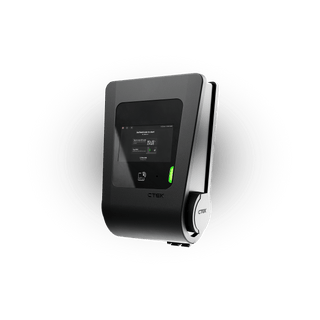
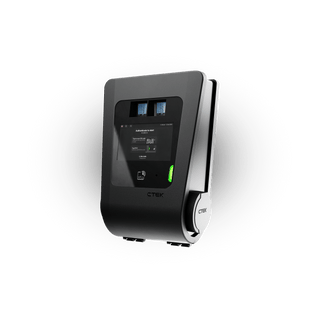
With common household appliances like induction stoves, kettles, and dryers potentially running at the same time, the previous setup was impractical. Sasa’s solution was to install the CTEK NJORD GO combined with the NANOGRID AIR wireless dynamic load balancing system. This setup connects via the HAN port on the house's electricity meter and integrates into the home network via Wi-Fi, ensuring safe and efficient charging without overloading the electrical system.
The BMW 550e, equipped with 3-phase 11A (7,4kW) charging capability, bridges the gap between PHEVs and full electric vehicles. PHEVs traditionally lagged behind EVs in charging speed, but with the new BMW 550e and NJORD GO, this is no longer the case. The NJORD GO, a versatile and powerful EVSE ensures the 550e charges efficiently and quickly through AC charging.
The BMW 550e xDrive, like other modern hybrid and electric vehicles, uses a DC-DC converter to charge the 12V battery from the high-voltage hybrid battery system. This approach eliminates the need for a traditional alternator, typically found in conventional gasoline or diesel-powered vehicles. The DC-DC converter transforms high-voltage energy from the main battery pack into the lower voltage required to charge the 12V battery and power the car's 12V systems, such as lights, infotainment, and other accessories. The NJORD GO charges the main high-voltage battery, which then charges the 12V battery through the DC-DC converter.
This design ensures that even if the high-voltage battery is depleted, the 12V system remains operational until the car can be recharged. The absence of a traditional alternator simplifies the vehicle's design and improves efficiency by eliminating the need to convert mechanical energy from an internal combustion engine into electrical energy for the 12V system. Instead, the car directly uses electrical energy from the main battery through the DC-DC converter.
Imagine the convenience of charging your PHEV without worrying about overloading your home’s electrical system. This is now possible thanks to the NANOGRID AIR, which communicates wirelessly with the NJORD GO to balance the load and prevent system overloads. This setup allows the use of household appliances simultaneously without tripping the main fuses, a common concern for many PHEV/EV owners.
One of the other features of the CTEK setup is the ability to schedule charging sessions through a user-friendly app. This allows Sasa to take advantage of off-peak electricity rates, significantly reducing charging costs. The app also lets him adjust the power output, making it easier to manage electricity consumption and prepare for future demand tariffs.
While the BMW 550e showcases the potential of advanced PHEVs, it’s important to note that battery electric vehicles (BEVs) most likely represent the future of sustainable transportation. BEVs offer greater potential for zero-emission driving and are becoming more accessible as technology and infrastructure improve. However, innovations like the NJORD GO and NANOGRID AIR are crucial in bridging the gap and providing immediate benefits to PHEV owners.
Sasa’s experience with the BMW 550e and CTEK’s NJORD GO and NANOGRID AIR highlights the potential of modern PHEVs to meet the demands of today’s drivers. By leveraging advanced charging technology and load balancing solutions, PHEVs can now charge almost as efficiently and safely as full EVs. This not only enhances the convenience of owning a PHEV but also underscores the importance of investing in reliable, future proofed and innovative charging solutions.
As more drivers like Sasa discover the benefits of these advancements, it's clear that the line between PHEVs and full EVs is becoming increasingly blurred, paving the way for a more sustainable and flexible automotive future.





Join thousands of satisfied customers worldwide


