


Understanding EV charging modes 2, 3 and 4: A comprehensive guide to EV charging
11 July 2023


You've been redirected to CTEK Global (Showroom) based on your location.
Back to previous market11 July 2023

As electric vehicles (EVs) continue to gain popularity, it's important for owners and prospective buyers to understand the various charging modes available. Among these, Charging Modes 2, 3, and 4 play significant roles in defining the charging capabilities, safety standards, and infrastructure requirements for EV owners. In this article, we will explore the three primary charging modes: Mode 2, Mode 3, and Mode 4. We'll also discuss the associated standards and provide tips on charging and safety considerations. Get ready for an enlightening journey into the world of electric car charging!
Let's begin with Mode 2 charging, which offers a convenient and portable solution for EV owners. Mode 2 utilizes a portable charging unit that connects to a dedicated outlet through CEE or schuko (domestic wall socket).
The CTEK NJORD GO is an example of a safe, fast and user-friendly charging unit designed for Mode 2 charging, using a red CEE socket.
Mode 2 charging with the NJORD GO and its CEE-socket provides a reliable and secure charging experience. It allows you to charge your EV at home or any location equipped with a compatible CEE-socket.
Power output; Normally 1,4-22kW (6A-32A, 1-phase/3-Phase for Mode 2 EVSE.
Moving on to Mode 3 charging, we encounter a more advanced and versatile option. Mode 3 relies on a dedicated charging station equipped with a Type 2 (Mennekes) connector. This mode offers faster charging speeds and a higher level of safety compared to Mode 2.
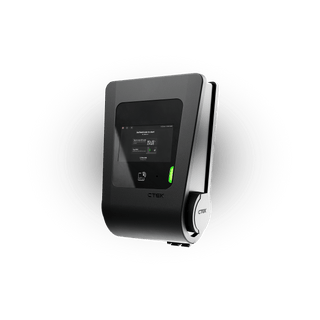
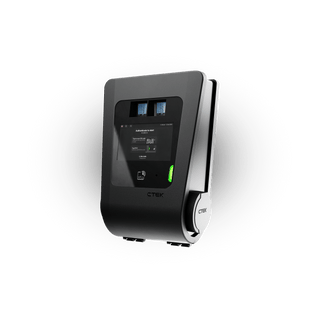
An excellent example of a Mode 3 charging station is the CHARGESTORM CONNECTED 2 (CC2). With a Type 2 cable/socket, EV owners can easily connect their vehicles to the CC2 charging station, ensuring a secure and efficient charging process.
Power output; Normally 3-phase 16A-32A (11-22kW)
Finally, let's explore Mode 4 charging, primarily used for fast charging along highways and major routes. Mode 4 relies on high-powered charging stations capable of delivering a significant amount of electricity to the vehicle's battery rapidly. One widely adopted standard for Mode 4 charging in Europe is the Combined Charging System (CCS).
Mode 4 charging is designed for EV drivers who require quick charging during long-distance trips. These charging stations, equipped with various connectors depending on the region and standard, enable drivers to rapidly top up their batteries and continue their journey.
Power output; DC and normally 150-400kW
1. Plan ahead: Identify charging stations along your route and ensure they are compatible with your vehicle's charging capabilities before embarking on long journeys.
2. Regular maintenance: Keep your charging cables, connectors, and charging stations clean and in good working condition to prevent any issues during charging.
3. Follow safety guidelines: Adhere to the safety instructions provided by the charging equipment manufacturer, including proper cable handling and connection procedures.
4. Take a rest: Recharging along the journey can be combined with something nice to eat and drink. In Sweden, a "Swedish fika" is not uncommon; in your region, a coffee or a bite to eat might be a good fit for your trip. It's a healthy break that will keep you focused for the rest of the trip.
Understanding the different charging modes and associated standards is essential for EV owners. Mode 2 offers portable and reliable charging with units like the NJORD GO, utilizing a CEE-socket for a secure charging experience. Mode 3 provides efficient and versatile charging through dedicated stations equipped with a Type 2 connector. Mode 4 allows for high-speed charging on the go, primarily along highways, utilizing various standards such as the Combined Charging System (CCS).





Join thousands of satisfied customers worldwide


