2023-07-11

I takt med att elfordon (EV) fortsätter att öka i popularitet är det viktigt för ägare och presumtiva köpare att förstå de olika laddningslägen som finns tillgängliga. Bland dessa spelar laddningslägena 2, 3 och 4 viktiga roller när det gäller att definiera laddningskapacitet, säkerhetsstandarder och infrastrukturkrav för elbilsägare. I den här artikeln kommer vi att utforska de tre primära laddningslägena: Läge 2, Läge 3 och Läge 4. Vi kommer också att diskutera tillhörande standarder och ge tips om laddning och säkerhetsaspekter. Gör dig redo för en upplysande resa in i elbilarvärlden!

Läge 2: Bärbar och pålitlig laddning med CEE-uttag eller schuko

Låt oss börja med laddning i läge 2, som erbjuder en bekväm och bärbar lösning för elbilsägare. Läge 2 använder en bärbar laddningsenhet som ansluts till ett dedikerat uttag via CEE eller schuko (vanligt vägguttag).

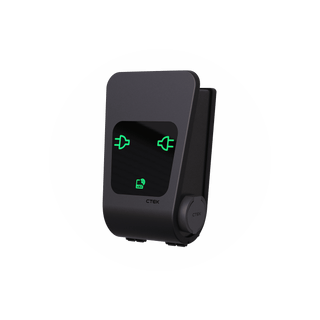
CTEK NJORD GO är ett exempel på en säker, snabb och användarvänlig laddningsenhet designad för laddning i läge 2, med ett rött CEE-uttag.

Laddning i läge 2 med NJORD GO och dess CEE-uttag ger en pålitlig och säker laddningsupplevelse. Det gör att du kan ladda din elbil hemma eller på vilken plats som helst som är utrustad med ett kompatibelt CEE-uttag.

Uteffekt; Normalt 1,4-22kW (6A-32A, 1-fas/3-fas för Mode 2 EVSE.

Läge 3: En effektiv, säker och mångsidig fast laddningslösning

När vi går över till läge 3-laddning möter vi ett mer avancerat och mångsidigt alternativ. Läge 3 bygger på en dedikerad laddstation utrustad med en Typ 2 (Mennekes)-kontakt. Detta läge erbjuder snabbare laddningshastigheter och en högre säkerhetsnivå jämfört med läge 2.

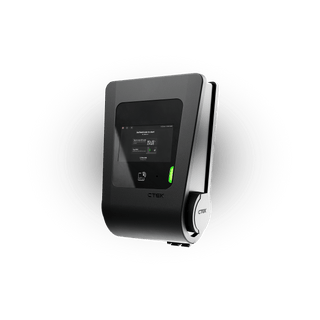
Ett utmärkt exempel på en laddstation i läge 3 är CHARGESTORM CONNECTED 2 (CC2). Med en Typ 2-kabel/-uttag kan elbilsägare enkelt ansluta sina fordon till CC2-laddstationen, vilket garanterar en säker och effektiv laddningsprocess.

Uteffekt; Normalt 3-fas 16A-32A (11-22kW)

Läge 4: Höghastighetsladdning på resande fot

Slutligen, låt oss utforska laddning i läge 4, som främst används för snabbladdning längs motorvägar och större vägar. Läge 4 bygger på högeffektsladdstationer som snabbt kan leverera en betydande mängd elektricitet till fordonets batteri. En allmänt antagen standard för laddning i läge 4 i Europa är Combined Charging System (CCS).

Laddning i läge 4 är utformad för elbilsförare som behöver snabbladdning under långresor. Dessa laddstationer, utrustade med olika kontakter beroende på region och standard, gör det möjligt för förare att snabbt fylla på sina batterier och fortsätta sin resa.

Uteffekt; DC och normalt 150-400kW

Laddningstips och säkerhetsaspekter

Oavsett vilket laddningsläge du väljer är det bra att tänka på följande tips för en säker och effektiv laddningsupplevelse:

1. Planera i förväg: Identifiera laddstationer längs din rutt och se till att de är kompatibla med ditt fordons laddningskapacitet innan du påbörjar långa resor.

2. Regelbundet underhåll: Håll dina laddkablar, kontakter och laddstationer rena och i gott skick för att förhindra problem under laddning.

3. Följ säkerhetsanvisningarna: Följ säkerhetsanvisningarna från tillverkaren av laddningsutrustningen, inklusive korrekt kabelhantering och anslutningsprocedurer.

4. Ta en paus: Att ladda längs resan kan kombineras med något gott att äta och dricka. I Sverige är en "svensk fika" inte ovanlig; i din region kan en kopp kaffe eller något att äta passa bra för din resa. Det är en hälsosam paus som håller dig fokuserad under resten av resan.

Att förstå de olika laddningslägena och tillhörande standarder är avgörande för elbilsägare. Läge 2 erbjuder bärbar och pålitlig laddning med enheter som NJORD GO, som använder ett CEE-uttag för en säker laddningsupplevelse. Läge 3 erbjuder effektiv och mångsidig laddning via dedikerade stationer utrustade med en Typ 2-kontakt. Läge 4 möjliggör höghastighetsladdning på resande fot, främst längs motorvägar, med hjälp av olika standarder som Combined Charging System (CCS).

Mer likt det här

CTEK’s EV charge points donated to hospital’s family house

CTEK is proud to be supporting the amazing work of the Ronald McDonald House at Huddinge, where families can stay when their children need healthcare at Karolinska University Hospital’s Astrid Lindgren's Children's Hospital.

CTEK’s EV charge points donated to hospital’s family house

Portable Battery Boosters: An Essential Tool for Today’s Drivers

Modern compact jump starters such as CTEK’s new RB3000 and RB4000, now available in the USA and Canada, provide confidence and a rapid restart to get you where you need to be when a dead battery could leave you stranded. For many drivers, a dead battery is still one of the most frustrating ways for a journey to grind to a halt – or not even begin. It can happen at home on a cold morning, in a supermarket car park, at a campsite, outside work or miles from immediate help. Traditionally, the answer was to keep a set of jumper cables in the trunk and hope that another vehicle – and a willing helper – was nearby. Today, there is a smarter, safer and more independent option: the portable battery booster. A portable battery booster is a compact jump starter designed to provide instant starting power to a vehicle with a discharged 12V battery. Instead of relying on another car, long cables and roadside guesswork, drivers can connect the booster directly to the battery, start the vehicle and get moving again in minutes. For modern motorists – whether they drive daily, travel for leisure, manage a work vehicle or simply want reassurance – this makes a booster one of the most practical emergency tools to keep on board. Why portable battery boosters matter Vehicles are more dependent on electrical systems than ever before. Infotainment, lighting, alarms, stop-start technology, dash cams, charging ports and comfort features all place demands on the battery. Add in short journeys, colder weather, periods of inactivity or an ageing battery, and even a well-maintained vehicle can fail to start – often at the worst possible time. Portable boosters avoid that risk. They are small enough to store in the trunk, glovebox, campervan locker or workshop kit, yet powerful enough to deliver the high burst of current needed to start a vehicle. Many also double as emergency power banks and include built-in lighting, making them useful well beyond the moment a battery fails. Key benefits for drivers Independence: A booster lets drivers restart a vehicle without waiting for another car, a neighbour, a colleague or a recovery service. Speed: In many situations, the process takes only a few minutes, helping drivers avoid delays and disruption. Safety: Quality boosters use protection features such as spark-proof and reverse polarity protection, reducing the risk of mistakes during stressful roadside moments. Portability: Modern units are compact, lightweight and easy to store, so they can travel with the vehicle instead of sitting in a garage. Multi-purpose value: USB charging ports and LED lights turn many boosters into practical emergency power sources for phones, tablets, lighting and other essentials. When to boost Portable battery boosters are particularly useful for daily drivers who make frequent short trips, as batteries may not always have enough time to recharge fully. They are equally valuable for families heading away on holiday, tradespeople who rely on their vans, drivers of older vehicles, motorhome and campervan owners, boating enthusiasts, fleet operators and anyone who parks in areas where another vehicle may not be available for a jump start. They also come into their own in seasonal conditions. Cold weather can reduce battery performance, while long periods of inactivity can leave vehicles struggling to start. A booster provides a simple safeguard before an early commute, a weekend trip, a school run or an important appointment turns into an avoidable problem. Why boosters are smarter than jumper cables Jumper cables depend on circumstances drivers cannot always control. You need access to another vehicle, enough room to position both vehicles safely, someone willing to help and the confidence to connect the cables correctly. That is not always realistic on a busy roadside, in a dark car park, on a remote site or when parked nose-in against a wall. A portable booster removes much of that uncertainty. It is self-contained, immediately available and designed specifically for the job. With modern safety protections, clear indicators and compact storage, it gives drivers a more controlled and user-friendly way to deal with a dead battery. Instead of depending on luck, they can carry their own solution. CTEK RB3000 and RB4000: premium reassurance The new CTEK RB3000 and RB4000 battery boosters are designed in Sweden, and now available in the US and Canada, for drivers who want more than a basic emergency accessory. They position portable boosting as part of a complete approach to vehicle readiness: dependable starting power, practical safety features, useful everyday charging capability and the peace of mind associated with a specialist battery-care brand. The RB3000 powers up to 30 starts on a single charge whilst the RB4000 provides up to 45 starts. Once charged up, that power is long-lasting: both CTEK boosters hold power for up to six months, ensuring readiness whenever it’s needed. Both models reflect what modern drivers increasingly expect from emergency equipment: compact design, quick setup, clear usability, robust safety thinking and additional functionality that makes the unit useful even when the car starts first time. In short, they are not just jump starters; they are confidence tools. Peace of mind in the trunk No driver plans for a dead battery, but every driver can prepare for one. A portable battery booster turns an inconvenient breakdown into a manageable pause, helping people get back on the road quickly and safely. For motorists who value reliability, independence and practical preparedness, the CTEK RB3000 and RB4000 offer premium solutions that make sense before the problem happens – not after.

Portable Battery Boosters: An Essential Tool for Today’s Drivers

CTEK RB 3000 and RB 4000 boosters now available in North America

October 06 2026 — CTEK has announced that its RB 3000 and RB 4000 portable boosters are now available in North America. Already well received in Europe and Australia, the two models bring powerful jump-starting capability and practical everyday features to drivers across the region.

CTEK RB 3000 and RB 4000 boosters now available in North America - CTEK

Charge, Boost, Stay Ready: Five Simple Ways to Avoid a Flat Battery

Charging a car battery regularly, recognising the early signs of low charge and carrying a compatible booster can overcome the risks of a flat battery. On Charge Your Car Day 2026, these five practical steps explain how chargers and boosters work together to help drivers stay ready.

Charge, Boost, Stay Ready: Five Simple Ways to Avoid a Flat Battery - CTEK

Why Short Journeys Could Be Slowly Draining Your Battery

If you are asking “why won't my car start?”, repeated short journeys may be part of the answer. Each start uses a large burst of battery power, and brief drives may not give the vehicle enough time to replace it. Regular charging can help prevent a gradual loss of charge. This Charge Your Car Day on 5th October, learn how to Stay Ready.

Why Short Journeys Could Be Slowly Draining Your Battery - CTEK

150 Drains on Your Battery – Are You and Your Vehicle Ready?

Charge Your Car Day is on 5th October and encourages drivers to check, charge and protect their vehicle’s 12V battery. With modern cars relying on up to 150 electrically powered features that consume energy, regular battery care and access to a booster can help motorists stay ready for all the journeys that matter.

150 Drains on Your Battery – Are You and Your Vehicle Ready? - CTEK